How to Watch 2026 World Cup in England: Kick-off Times & Broadcasters
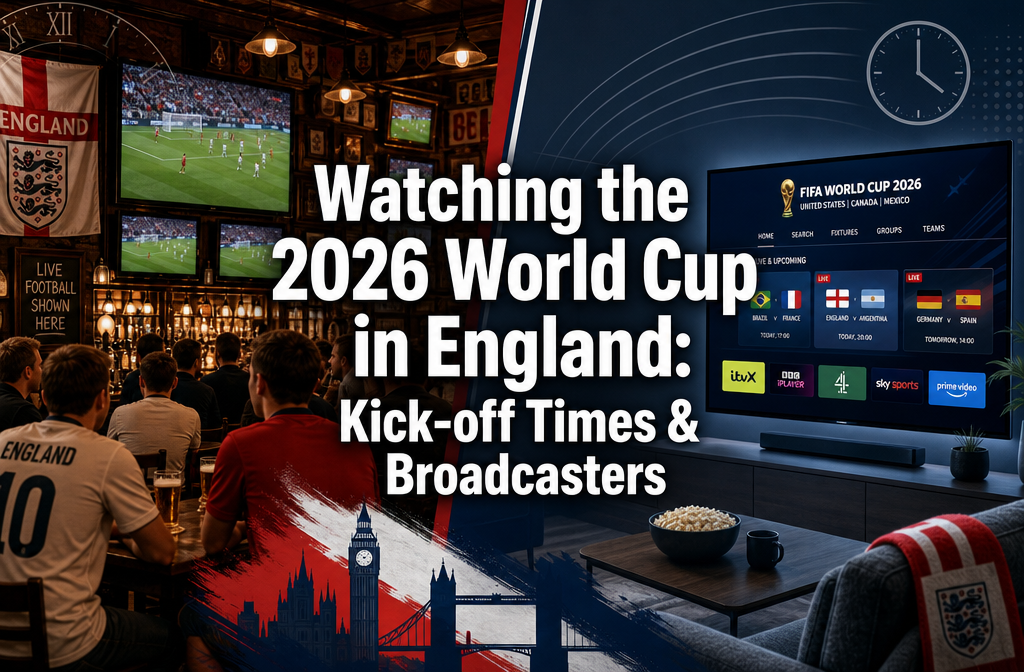
Watching the 2026 World Cup in England requires understanding North American time zones, as matches will kick off between 4 PM and 3 AM UK time due to the tournament being hosted across the USA, Canada, and Mexico. BBC and ITV hold the free-to-air broadcasting rights, while streaming options include BBC iPlayer and ITVX at no cost. Most group stage matches will air during convenient evening hours for UK viewers, though some West Coast fixtures will start after midnight.
Watch 2026 World Cup in England
- BBC and ITV share free-to-air broadcasting rights for all 104 matches of the 2026 World Cup
- Match kick-off times range from 4 PM to 3 AM UK time, with most games scheduled between 7 PM and 11 PM
- Free streaming is available through BBC iPlayer and ITVX without requiring a cable subscription
- West Coast USA matches will be the latest for UK viewers, starting around midnight or later
- Catch-up services allow watching missed matches for up to 30 days after broadcast
- A minimum internet speed of 5 Mbps is recommended for standard definition streaming, 25 Mbps for HD
- The expanded 48-team format means 40 more matches than previous tournaments, providing more viewing options
FIFA World Cup 2026 England Match Schedule & Start Time
| Date | Match | Kick-off (UK BST) | (BST, UTC+6) |
|---|---|---|---|
| 17 June 2026 | England vs Croatia | 9:00 PM | 18 June, 2:00 AM |
| 23 June 2026 | England vs Ghana | 9:00 PM | 24 June, 2:00 AM |
| 27 June 2026 | Panama vs England | 10:00 PM | 28 June, 3:00 AM |
Which TV Channels Are Showing the 2026 World Cup
BBC and ITV will broadcast all 104 matches of the 2026 World Cup in England through their traditional television channels and digital streaming platforms. This marks a continuation of the shared broadcasting arrangement that has served UK viewers since 2002, ensuring completely free access to every game without requiring paid subscriptions.
The BBC will show approximately 52 matches across BBC One, BBC Two, and BBC iPlayer, while ITV will broadcast the remaining fixtures on ITV1, ITV4, and ITVX. Both broadcasters typically alternate coverage of high-profile matches, including England games, semi-finals, and the final itself. The exact split of England matches between the two networks will be determined closer to the tournament based on scheduling agreements.
Key broadcast details:
- All matches available on free-to-air television
- No pay-per-view or premium subscription required
- HD broadcasts available on Freeview HD, Sky, Virgin Media, and streaming platforms
- Radio commentary available on BBC Radio 5 Live and talkSPORT
For comprehensive details on how to watch FIFA World Cup 2026 live stream in UK, including device compatibility and streaming options, viewers can access dedicated guides covering all technical requirements.
What Times Will World Cup Matches Be Broadcast in UK
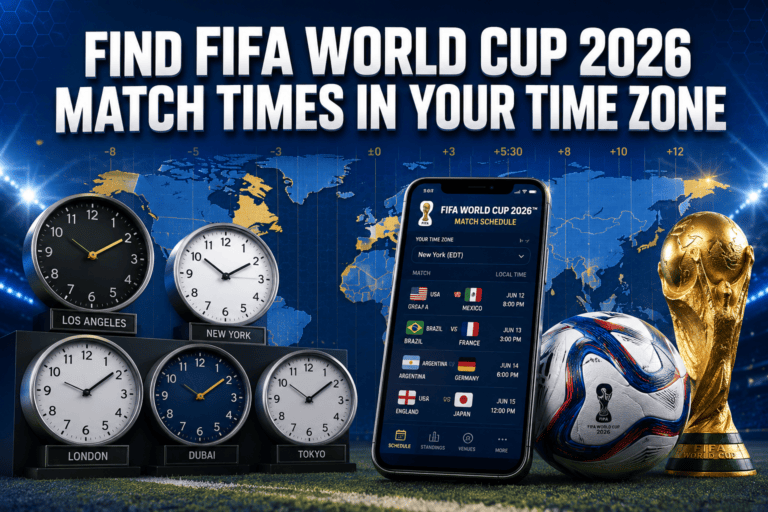
Match kick-off times for UK viewers will span from 4 PM in the afternoon to 3 AM the following morning, depending on which North American city hosts each fixture. The tournament’s spread across three countries and multiple time zones creates the widest variation in UK broadcast times ever seen for a World Cup.
Typical UK kick-off times by venue location:
- East Coast USA venues (New York, Boston, Philadelphia, Miami): 11 PM to midnight UK time
- Central USA/Mexico venues (Dallas, Houston, Kansas City, Mexico City): midnight to 1 AM UK time
- West Coast USA/Canada venues (Los Angeles, San Francisco, Seattle, Vancouver): 2 AM to 3 AM UK time
- Early slots (typically group stage): 4 PM, 7 PM, and 10 PM UK time
Most group stage matches will be scheduled in three daily windows to accommodate global audiences, with UK viewers benefiting from evening and late-night slots for the majority of fixtures. The knockout stages traditionally feature fewer simultaneous matches, concentrating important games in prime-time slots that typically fall between 7 PM and 11 PM UK time.
Choose early or mid-evening slots if you prefer watching live without disrupting sleep schedules. West Coast matches are best suited for night owls or those planning to use catch-up services the following day.
How Much Does It Cost to Watch World Cup Matches in England
Watching the 2026 World Cup in England costs nothing beyond the standard TV licence fee, which is required for any live television viewing in the UK. The TV licence currently costs £159 annually and covers all BBC and ITV programming, including the entire World Cup tournament.
No additional subscriptions, pay-per-view fees, or streaming charges apply. This represents significant value compared to many other countries where World Cup rights are held by premium sports networks requiring separate subscriptions. Viewers who already hold a valid TV licence face zero additional costs for complete tournament access.
Cost breakdown:
- TV licence: £159 per year (mandatory for live TV viewing)
- BBC iPlayer streaming: Included with TV licence
- ITVX streaming: Included with TV licence
- Additional sports packages: Not required
- Pay-per-view charges: None
The TV licence requirement applies whether watching on traditional television, streaming via iPlayer/ITVX, or viewing on mobile devices. Households without a TV licence must purchase one before accessing live World Cup coverage, but this single payment covers all broadcasts throughout the tournament and beyond.
Can I Stream 2026 World Cup Games Online in the UK
Yes, every 2026 World Cup match will be available for streaming online through BBC iPlayer and ITVX, both offering free access with a valid TV licence. These platforms support streaming on computers, smartphones, tablets, smart TVs, and streaming devices like Amazon Fire Stick, Roku, and Apple TV.
BBC iPlayer and ITVX provide identical coverage to their television broadcasts, including pre-match analysis, half-time commentary, and post-match interviews. Both services offer HD streaming quality when sufficient internet bandwidth is available, with automatic quality adjustment for slower connections.
Streaming platform features:
- Live match streaming with minimal delay (typically 20-40 seconds behind TV)
- Pause and rewind functionality during live broadcasts
- Multi-device support (up to two simultaneous streams on BBC iPlayer)
- Subtitle and audio description options
- Mobile apps for iOS and Android
To stream matches, create a free account on BBC iPlayer or ITVX, verify your TV licence status, and log in on your preferred device. Both platforms work on most modern browsers and dedicated apps, with no additional software installation required beyond the standard app download.
For viewers interested in watching the World Cup without cable, these streaming options provide complete flexibility without requiring traditional television subscriptions.
Are Evening Matches Going to Be Late for UK Viewers
Most group stage matches will kick off between 7 PM and 11 PM UK time, falling within comfortable evening viewing hours for the majority of fixtures. However, matches hosted on the West Coast of North America will start between midnight and 3 AM UK time, creating challenges for viewers who prefer watching live.
The tournament’s expanded format with 104 total matches means approximately 30-35 fixtures will kick off after midnight UK time, primarily those played in Los Angeles, San Francisco, Seattle, and Vancouver. East Coast and Central time zone matches generally align better with UK evening schedules, with most starting before midnight.
Match timing by tournament stage:
- Group stage: Three daily kick-off windows, with 60-70% of matches before midnight UK time
- Round of 16: Typically 7 PM to midnight UK time
- Quarter-finals: Usually 10 PM to midnight UK time
- Semi-finals: Likely 11 PM UK time
- Final: Expected around 8 PM or 9 PM UK time
England matches will likely be scheduled to accommodate European audiences when possible, though FIFA’s primary consideration will be North American attendance and viewership. If England progresses deep into the tournament, expect most knockout matches to fall within late evening rather than overnight slots.
Plan to use catch-up services for West Coast fixtures if maintaining regular sleep schedules is a priority. Most dedicated fans find that recording late matches and watching the following morning avoids spoilers while preserving sleep quality.
Will BBC or ITV Have World Cup Rights This Time
Both BBC and ITV secured joint broadcasting rights for the 2026 World Cup, continuing the partnership that has delivered free-to-air coverage to UK viewers for over two decades. The agreement, finalized in 2024, ensures no matches will be locked behind pay-TV services or streaming-only platforms.
The shared rights model allows both broadcasters to select which matches they prefer, with negotiations typically resulting in an even split of high-profile fixtures. England matches are traditionally alternated between BBC and ITV, though the exact distribution depends on scheduling and tournament progression.
This arrangement differs significantly from other major sporting events in the UK, where exclusive rights often go to premium sports networks. The government’s “listed events” legislation protects major sporting occasions, including the World Cup, ensuring they remain accessible on free-to-air television.
Rights distribution details:
- Total matches: 104 (52 per broadcaster)
- England group stage matches: Likely split between both channels
- Opening match: Typically BBC or ITV (announced closer to tournament)
- Final: Historically alternated between broadcasters
- Semi-finals: One match per broadcaster
For those comparing international coverage options, our guide on how to watch FIFA World Cup 2026 in the USA shows how different markets handle broadcasting rights.
What If I Miss a Live World Cup Match
BBC iPlayer and ITVX both offer full match replays available immediately after the final whistle, with content remaining accessible for at least 30 days following each broadcast. This catch-up functionality allows viewers to watch matches at their convenience without requiring DVR equipment or recording capabilities.
Full match replays include all pre-match build-up, half-time analysis, and post-match interviews, providing the complete broadcast experience. Both platforms also offer extended highlights packages, typically 20-30 minutes long, for viewers who prefer condensed coverage.
Catch-up viewing options:
- Full match replays: Available within minutes of final whistle
- Extended highlights: Usually posted 1-2 hours after match ends
- Availability period: Minimum 30 days, sometimes longer for major matches
- Download option: Available on mobile apps for offline viewing
- Spoiler-free browsing: Limited on main pages, but direct links avoid score reveals
To avoid spoilers when accessing catch-up content, navigate directly to the BBC iPlayer or ITVX app rather than visiting news websites or social media. Both platforms display match results prominently on their homepages, making spoiler avoidance difficult without deliberate care.
Set reminders for matches you can’t watch live, and consider muting football-related social media accounts during the tournament to preserve the viewing experience when watching on delay.
Best Ways to Watch World Cup Without Cable in England
Watching the World Cup without a traditional cable subscription is straightforward in England, as BBC and ITV provide free streaming through BBC iPlayer and ITVX without requiring any cable package. A standard internet connection and valid TV licence are the only requirements for complete tournament access.
Smart TVs manufactured after 2018 typically include pre-installed BBC iPlayer and ITVX apps, while older televisions can be upgraded with streaming devices like Amazon Fire Stick (£35-50), Roku (£30-40), or Google Chromecast (£30). These devices plug into HDMI ports and provide access to all major UK streaming platforms.
Recommended streaming setup:
- Internet connection: Minimum 5 Mbps for SD, 25 Mbps for HD
- Streaming device: Smart TV, Fire Stick, Roku, or Chromecast
- TV licence: Required for legal streaming
- Free accounts: BBC iPlayer and ITVX registration
- Backup option: Mobile device streaming via 4G/5G
For optimal viewing quality, connect streaming devices via Ethernet cable rather than Wi-Fi when possible, as wired connections provide more stable streaming with fewer buffering interruptions. Position Wi-Fi routers centrally and minimize interference from other devices during match broadcasts.
Mobile viewing works well for individual viewers, though casting to larger screens improves the experience for group viewing. Most smartphones support screen mirroring to compatible smart TVs, providing flexibility without additional equipment costs.
How Different Are 2026 World Cup Times from Previous Tournaments
The 2026 World Cup features significantly later kick-off times for UK viewers compared to recent tournaments, with West Coast USA matches starting up to five hours later than typical European or Middle Eastern venues. The 2022 Qatar World Cup offered the most convenient UK viewing times in recent memory, with most matches between 1 PM and 10 PM GMT.
The 2018 Russia World Cup provided relatively favorable timing, with matches spread between 1 PM and 8 PM UK time due to Russia’s proximity to UK time zones. The 2014 Brazil tournament presented challenges similar to 2026, with some matches kicking off around midnight due to the five-hour time difference.
Comparison of recent World Cup kick-off times (UK):
| Tournament | Host | Earliest UK Kick-off | Latest UK Kick-off | Most Common Times |
|---|---|---|---|---|
| 2026 | USA/Canada/Mexico | 4 PM | 3 AM | 7 PM – 11 PM |
| 2022 | Qatar | 1 PM | 10 PM | 1 PM – 7 PM |
| 2018 | Russia | 1 PM | 8 PM | 2 PM – 7 PM |
| 2014 | Brazil | 5 PM | 1 AM | 9 PM – midnight |
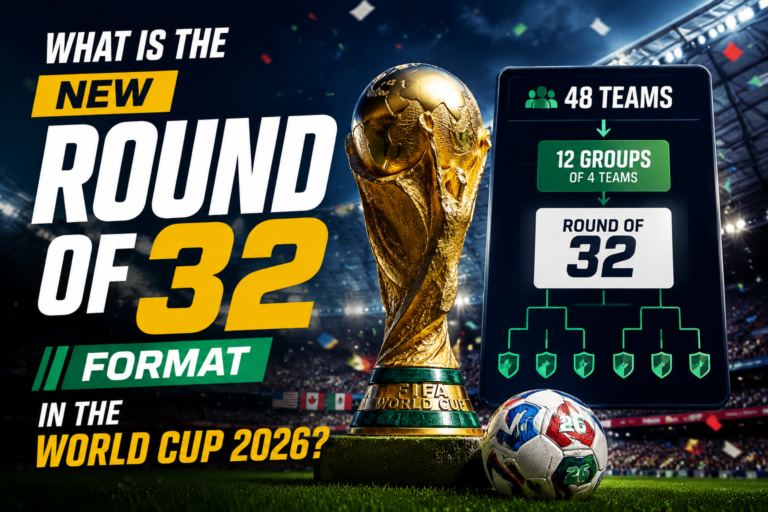
The expanded 48-team format in 2026 adds 40 additional matches compared to previous 32-team tournaments, increasing total viewing opportunities but also extending the tournament duration. This expansion means more matches scheduled across different time zones, creating both more convenient and more challenging viewing times depending on venue locations.
Viewers accustomed to the favorable scheduling of Qatar 2022 should prepare for a return to late-night viewing for certain fixtures, particularly those involving teams playing on the West Coast. The FIFA World Cup 2026 schedule provides complete fixture timing once match locations are finalized.
What Internet Speed Do I Need to Stream World Cup Games
A minimum internet speed of 5 Mbps is required for standard definition streaming on BBC iPlayer and ITVX, while 25 Mbps is recommended for HD quality without buffering interruptions. These speeds represent the baseline for single-device streaming; households with multiple simultaneous streams or other internet activities should add 5-10 Mbps per additional device.
BBC iPlayer and ITVX both employ adaptive streaming technology that automatically adjusts video quality based on available bandwidth, preventing complete playback failure even when speeds drop below optimal levels. However, quality degradation becomes noticeable below 3 Mbps, with frequent buffering and pixelation affecting the viewing experience.
Recommended internet speeds by usage:
- Single SD stream: 5 Mbps minimum
- Single HD stream: 25 Mbps minimum
- Multiple HD streams: 50 Mbps or higher
- 4K streaming (if available): 40-50 Mbps per stream
- Household with general internet use: Add 10-20 Mbps buffer
Test your internet speed before the tournament using services like Speedtest.net or Fast.com to verify your connection meets minimum requirements. Run tests at different times of day, as evening peak usage often reduces available bandwidth in congested areas.
If streaming quality issues persist despite adequate internet speeds, try connecting via Ethernet cable instead of Wi-Fi, close unnecessary applications consuming bandwidth, or restart your router before important matches. Most streaming problems stem from local network congestion rather than insufficient overall connection speed.
Which Pubs Are Showing World Cup Matches
Most pubs across England will show World Cup matches on their television screens, as BBC and ITV’s free-to-air coverage makes it simple for licensed premises to broadcast games without expensive commercial subscriptions. Pubs require commercial TV licences and appropriate music licensing, but no additional sports packages are necessary for World Cup coverage.
Major pub chains including Wetherspoons, Greene King, and Stonegate venues typically show all matches, with many extending opening hours for late-night fixtures. Independent pubs vary in their World Cup coverage, with some showing all matches and others selecting only high-profile games or England fixtures.
Finding World Cup pub screenings:
- Call ahead to confirm which matches will be shown
- Arrive early for England matches and knockout fixtures (seating fills quickly)
- Check pub websites or social media for extended hours during late matches
- Expect table reservations for major matches at popular venues
- Verify food and drink minimum spend requirements for reserved seating
Large cities offer dedicated sports bars with multiple screens, providing simultaneous viewing of different matches during group stage days with overlapping fixtures. These venues often provide superior viewing experiences compared to traditional pubs, with larger screens, better sound systems, and more focused football atmospheres.
For late-night West Coast matches (midnight-3 AM UK time), fewer pubs will remain open, though some sports bars in major cities extend hours for important fixtures. Check venue policies regarding late licensing and last orders before planning late-night pub viewing.
How to Watch World Cup If I’m Traveling in UK
Watching the World Cup while traveling within the UK requires only a mobile device with BBC iPlayer or ITVX apps installed, plus a valid TV licence and internet connection. Both streaming services work seamlessly across the UK, with no regional restrictions limiting access based on location.
Mobile data streaming consumes approximately 1-1.5 GB per hour for standard definition and 3-4 GB per hour for HD quality, making unlimited data plans advantageous for frequent mobile viewing. Most UK mobile networks provide adequate 4G coverage for uninterrupted streaming in urban and suburban areas, though rural locations may experience connectivity challenges.
Travel viewing solutions:
- Mobile streaming: Download BBC iPlayer and ITVX apps before traveling
- Hotel Wi-Fi: Most hotels provide free Wi-Fi suitable for streaming
- Public Wi-Fi: Available but often slower; use VPN for security
- Mobile hotspot: Share smartphone connection with tablets or laptops
- Downloaded content: BBC iPlayer allows offline downloads on mobile devices
BBC iPlayer offers a download feature allowing users to save matches for offline viewing, though this functionality typically applies to catch-up content rather than live streams. Downloads remain accessible for 30 days after downloading and must be started within 48 hours of beginning playback.
For travelers visiting from outside the UK, BBC iPlayer and ITVX employ geo-blocking that restricts access to UK IP addresses only. UK residents traveling abroad should note that these services will not function outside the country without VPN services, which may violate terms of service.
Our comprehensive guide on how to watch FIFA World Cup 2026 covers international viewing options for those traveling outside the UK during the tournament.
Are Tickets Available for England Matches
Tickets for England matches at the 2026 World Cup are allocated through FIFA’s official ticketing system, with sales conducted in multiple phases beginning approximately one year before the tournament. England supporters can apply through FIFA.com during designated application windows, with tickets distributed via lottery system when demand exceeds supply.
The Football Association receives a separate ticket allocation for England Supporters Travel Club members, providing priority access for fans with established supporter histories. Membership in the England Supporters Travel Club requires registration and attendance at previous England matches, with priority determined by loyalty points accumulated over time.
Ticket purchasing process:
- Phase 1: Random selection draw (typically 12 months before tournament)
- Phase 2: First-come, first-served sales (typically 6-8 months before)
- Phase 3: Last-minute sales (typically 1-2 months before)
- Hospitality packages: Available through FIFA partners at premium prices
- Resale platform: Official FIFA resale for legitimate ticket transfers
Ticket prices for the 2026 World Cup range from approximately $50 for group stage matches in upper tiers to $500+ for premium seats at knockout fixtures. England matches typically command higher prices than neutral fixtures, with final and semi-final tickets reaching $1,000+ for the best seats.
Avoid unofficial ticket sellers and secondary marketplaces, as FIFA-issued tickets are non-transferable and linked to specific passport details. Purchasing from unauthorized sources risks receiving invalid tickets that will be rejected at stadium entrances, with no recourse for refunds.
For supporters unable to attend matches in person, watching on BBC or ITV provides comprehensive coverage including stadium atmosphere, multiple camera angles, and expert analysis unavailable to stadium attendees.
Watching the 2026 World Cup in England: Kick-off Times & Broadcasters – Key Considerations
Successfully navigating World Cup viewing in England requires balancing match timing preferences with broadcasting options and personal schedules. The tournament’s North American location creates later viewing times than recent World Cups, making strategic planning essential for maximizing enjoyment without sacrificing sleep or daily commitments.
Priority considerations for UK viewers:
- Match selection: Focus on must-watch matches during convenient times, use catch-up for less critical fixtures
- Sleep schedule: Plan ahead for important late matches, consider napping before midnight kick-offs
- Social viewing: Organize watch parties for evening matches, solo viewing for overnight fixtures
- Technology setup: Test streaming quality before tournament begins, ensure backup viewing options
- Time off work: Consider booking leave for knockout stages when England progresses
The free-to-air broadcasting model in England provides exceptional value compared to many countries where World Cup access requires expensive sports subscriptions. Taking full advantage of BBC iPlayer and ITVX capabilities, including catch-up viewing and mobile streaming, maximizes flexibility without additional costs.
For comprehensive tournament preparation, review the FIFA World Cup 2026 TV coverage and channel list to understand complete broadcasting arrangements across all platforms.
Frequently Asked Questions
Do I need a TV licence to stream World Cup matches on BBC iPlayer?
Yes, a valid TV licence is legally required to watch live streams on BBC iPlayer or ITVX, including World Cup matches. The licence costs £159 annually and covers all live television viewing in your household, regardless of device or platform used.
Can I watch World Cup matches on my phone while commuting?
Yes, BBC iPlayer and ITVX apps work on smartphones with mobile data or Wi-Fi connections. Expect to use 1-1.5 GB per hour for standard definition streaming, so unlimited data plans are recommended for regular mobile viewing.
Will any matches be shown in 4K quality?
BBC has not confirmed 4K broadcasting for the 2026 World Cup as of June 2026. Previous tournaments offered limited 4K coverage through BBC iPlayer on compatible devices, but availability typically extends only to select matches rather than complete tournament coverage.
How can I avoid spoilers when watching matches on catch-up?
Navigate directly to BBC iPlayer or ITVX apps rather than browsing homepages that display results. Mute football-related social media accounts and avoid news websites until you’ve watched the match. Some browsers offer spoiler-blocking extensions for additional protection.
Will pubs show matches that kick off at 2 AM or 3 AM?
Most pubs will not remain open for matches starting after midnight unless they’re particularly significant fixtures involving England or other home nations. Dedicated sports bars in major cities may extend hours for important late matches, but call ahead to confirm.
Can I record World Cup matches to watch later?
BBC iPlayer and ITVX provide catch-up services immediately after matches end, eliminating the need for traditional recording equipment. Both services keep matches available for at least 30 days, with BBC iPlayer offering download functionality for offline mobile viewing.
What happens if my internet connection drops during a match?
BBC iPlayer and ITVX automatically resume streaming from where the connection dropped once internet access is restored. Both platforms buffer several seconds of content to minimize interruption from brief connectivity issues, though extended outages require manual stream restart.
Are there radio commentary options for matches I can’t watch?
BBC Radio 5 Live provides live commentary for all World Cup matches, accessible via FM radio, DAB, BBC Sounds app, or online streaming. TalkSPORT offers alternative commentary for selected fixtures, providing options for audio-only coverage during commutes or when video streaming isn’t possible.
Will England matches definitely be shown on free-to-air TV?
Yes, all England matches are guaranteed to appear on either BBC or ITV, as UK broadcasting regulations require major sporting events involving home nations to be available on free-to-air television. No England matches will be locked behind pay-TV services.
Can I watch matches at work if my employer blocks streaming sites?
Many workplace networks block streaming services to preserve bandwidth. Using mobile data via smartphone provides an alternative, though employers may have policies prohibiting personal device use during work hours. Check company policies before attempting to stream matches at work.
How early should I arrive at a pub to watch England matches?
Arrive at least 60-90 minutes before kick-off for England group stage matches, and 2+ hours for knockout fixtures. Popular venues fill quickly, with reserved tables often booked days in advance for major matches. Calling ahead to reserve seating is strongly recommended.
What’s the best way to watch if I don’t have a smart TV?
Purchase a streaming device like Amazon Fire Stick (£35-50), Roku (£30-40), or Google Chromecast (£30) that plugs into any TV with an HDMI port. These devices provide access to BBC iPlayer and ITVX, plus numerous other streaming services, without requiring a smart TV.
Conclusion
Watching the 2026 World Cup in England offers unprecedented access through free-to-air broadcasting on BBC and ITV, ensuring every match reaches viewers without subscription barriers. The tournament’s North American location creates later kick-off times than recent World Cups, with matches spanning from 4 PM to 3 AM UK time depending on venue location. Most fixtures will fall within comfortable evening viewing hours, though West Coast matches present challenges for viewers prioritizing regular sleep schedules.
BBC iPlayer and ITVX streaming services provide complete flexibility for modern viewing habits, supporting mobile devices, smart TVs, and streaming hardware without additional costs beyond the standard TV licence. Catch-up functionality eliminates the pressure to watch every match live, while maintaining the option for real-time viewing when schedules permit.
Actionable next steps:
- Verify your TV licence is current and covers your viewing devices
- Download BBC iPlayer and ITVX apps on all devices you’ll use for viewing
- Test your internet connection speed and upgrade if below 25 Mbps for HD streaming
- Review the complete FIFA World Cup 2026 schedule once fixtures are finalized
- Bookmark catch-up links for matches you’ll watch on delay
- Plan social viewing arrangements for England matches and key fixtures
- Consider booking time off work for knockout stages if England progresses
The expanded 48-team format delivers 40 additional matches compared to previous tournaments, providing more opportunities to watch emerging football nations alongside traditional powerhouses. Whether viewing from home, traveling within the UK, or gathering at pubs with fellow supporters, England’s free-to-air broadcasting model ensures complete tournament access remains available to all football fans.